Home Appraisal Explained: What to Anticipate and How to Prepare
Grasping residential appraisals is crucial for everyone participating in real estate transactions. These appraisals offer an impartial measure of a home's worth, impacting decisions on buying, selling, or refinancing. Property owners and purchasers commonly seek answers regarding what to expect and how to plan accordingly. Recognizing the important criteria that appraisers consider can considerably affect the outcome. As the appraisal proceeds, several misconceptions may surface that could influence expectations and strategies. What are these misunderstandings, and how can they be effectively managed?
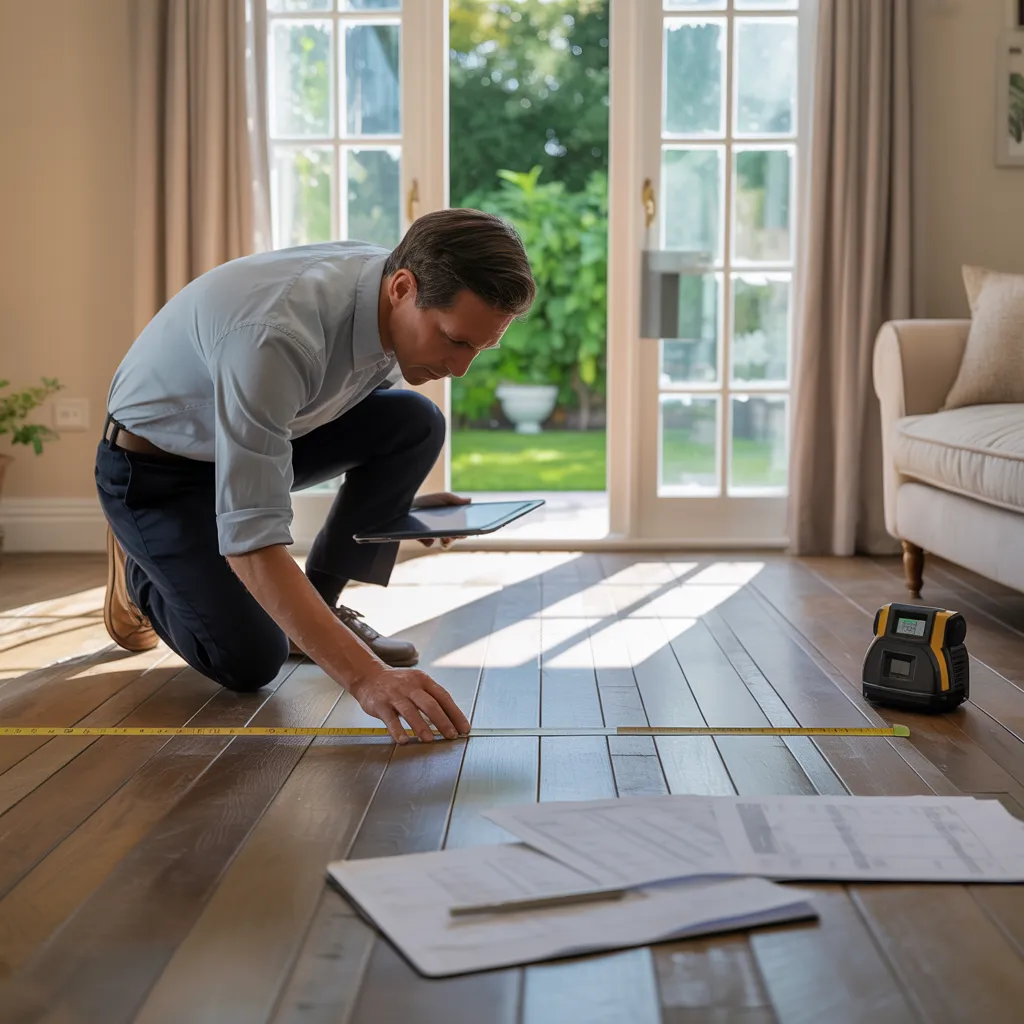
Understanding Home Appraisals: Overview and Relevance
A property appraisal acts as an essential analysis in the home buying and selling process, offering an impartial estimate of a property's market value. This assessment is generally conducted by a certified appraiser who inspects the property, studies similar property sales, and examines the neighborhood real estate conditions. The appraisal document plays a significant role in multiple property transactions, including purchasing, listing, and refinancing homes. It ensures that both buyers and lenders have a clear understanding of the property's true value, serving to eliminate overpayment or under-lending. Additionally, appraisals can also impact property tax assessments and insurance needs. By establishing a fair market value, appraisals support a transparent and efficient real estate market. Ultimately, recognizing the value of property appraisals is essential for homeowners and investors alike, as it acts as a cornerstone for informed decision-making in real estate transactions.
Factors Appraisers Consider in Home Appraisals
When conducting home appraisals, several key factors influence the ultimate property value. The location of the property serves a crucial function, as it affects market demand and accessibility. Additionally, the physical condition of the house is thoroughly examined to determine its overall value and potential repairs needed.
Significance of Property Location
Property location plays a fundamental role in home appraisals, affecting overall worth and buyer demand. Appraisers assess numerous elements of the area, including nearness to facilities including schools, shopping districts, and green spaces. Community safety, public transit accessibility, and nearby job prospects also serve vital functions in determining a property's worth. Furthermore, the general visual appeal of the neighborhood, including greenery and structural design, can influence buyer sentiment and interest. Appraisers regularly carry out a comparative review of similar residences in the surrounding area, factoring in recent sales data and existing market patterns. In the end, the desirability of the location can significantly boost or reduce a home's market worth, establishing it as an essential element in the appraisal procedure.
Property Condition Review
Home condition greatly impacts the appraisal process, as it reflects the overall quality and upkeep of the property. Appraisers evaluate both the inside and outside aspects of the home, including roofing, plumbing, electrical systems, and structural integrity. They also evaluate the condition of fixtures and appliances, as well as any necessary repairs. Landscaping and curb appeal are factors in determining general desirability. Moreover, the presence of hazardous conditions, such as pests or mold, can negatively affect the overall appraisal value. The appraiser may also consider the property's age, as aging homes may require more maintenance. In the end, a well-maintained home usually achieves a higher overall appraisal value, while neglect can significantly reduce it.
Getting Your Home Ready for an Appraisal
The key to a successful home appraisal lies in comprehensive preparation. Property owners are advised to start by thoroughly cleaning and decluttering their home, establishing a welcoming environment that showcases its finest qualities. Making certain that all outstanding repairs are finished—including repairing dripping faucets or filling cracks in walls—can have a substantial effect on how the appraiser evaluates the home's value.
In addition, taking care of the exterior by caring for the lawn, cutting back shrubs, and sweeping walkways enhances street appeal. Homeowners should also assemble pertinent documents, including past appraisal reports, property tax records, and records of recent renovations, to provide context for the property appraiser.
Finally, ensuring a comfortable setting is vital; property owners should verify that the home is easily accessible and that any pets are safely contained during the evaluation. By taking these actions, property owners can greatly improve their likelihood of receiving a positive appraisal result.
Home Appraisal Myths That You Should Not Fall For
Numerous myths exist around the home appraisal process, often leading to confusion and misplaced expectations. One widely held belief is that appraisers take into account the homeowner's opinions or emotions regarding property value. In reality, appraisers rely on unbiased benchmarks and market statistics. Another misconception is that a greater selling price guarantees a higher appraisal. This is misleading, as appraisals are based on similar property sales and prevailing market trends, not the listing price. Moreover, some think that home improvements consistently add value; however, not all updates yield a return on investment. To conclude, many assume that appraisals are only intended for purchasers, but they are just as valuable for sellers, lenders, and investors in determining fair market value. Recognizing these common misunderstandings can help individuals navigate the appraisal experience with realistic expectations and a more informed perspective.
What Occurs During a Home Appraisal?
In the course of a property appraisal, the appraiser serves a critical function in establishing the home's market value. Multiple critical elements, including the state of the property and regional market conditions, are meticulously evaluated. The appraisal process typically follows defined procedures to secure an reliable valuation.
Appraiser's Role Explained
Real estate appraisers serve an essential role in establishing a home's overall value, employing a structured approach to assess various factors. They begin by inspecting the property, noting its size, condition, and unique features. Appraisers analyze the surrounding environment, taking into account local market trends and neighborhood attributes. Data is gathered from comparable properties to create a baseline for property valuation. They also evaluate any enhancements completed on the home, making sure these changes are properly reflected in the total valuation. During the entire evaluation, their goal is to offer a balanced and objective analysis. After completing their analysis, appraisers compile their findings into a comprehensive report, which serves as a critical document for buyers, sellers, and lenders during property transactions.
Critical Factors Examined
Although every appraisal can differ somewhat, multiple important elements are regularly considered to determine a property's value. First, the appraiser examines the property's location, including nearby community features and closeness to essential services. Next, the home's size and overall condition are evaluated, focusing on square footage, structural integrity, and any necessary repairs. The count of bedrooms and bathrooms also carries considerable weight. Furthermore, recent sales of similar properties nearby, or \"comparable sales,\" are examined, providing context for the property's market value. To conclude, the appraiser considers any unique features or upgrades, such as home renovations or energy-saving systems, which may increase the home's desirability. Combined, these considerations enable a detailed appraisal, helping buyers, sellers, and lenders make informed decisions.
Typical Appraisal Process Steps
The appraisal process proceeds through a series of methodical steps that ensure a precise valuation of the property. At the outset, the appraiser compiles relevant information, including the property's address and details about the owner. Next, visit this page a physical inspection is conducted, in which the appraiser examines both the interior and exterior, recording condition, size, and notable features. Subsequently, the appraiser examines comparable properties, analyzing recent sales in the area to determine market value. Upon collecting all data, they utilize appropriate valuation methods, such as the cost approach or sales comparison approach. Ultimately, a comprehensive report is produced, presenting findings and confirming a final appraisal value. This systematic approach guarantees a reliable and uniform property valuation.
Your Next Steps Following Your Home Appraisal Results
Getting the results of a home appraisal can stir up a mix of emotions, from comfort to concern. When the findings are available, homeowners should first review the appraisal report in detail, taking note of the appraiser's comments and conclusions. If the appraisal comes in at or above the anticipated value, they can continue with their intended course of action, whether selling or refinancing.
If the appraisal comes in below expectations, homeowners have a number of options. They can review the findings alongside their real estate agent or lender to identify possible next steps, such as disputing the appraisal or offering additional documentation to back a higher valuation. It may also be worthwhile to gather comparable sales data to strengthen their case.
In the end, grasping the significance of the appraisal outcomes is essential. Homeowners should remain proactive, whether moving forward with their plans or addressing any discrepancies that may impact their financial decisions.
Frequently Asked Questions
How Long Does a Home Appraisal Typically Take?
A home appraisal generally takes anywhere from 30 minutes to two hours. Considerations such as property size, complexity, and location can influence the overall duration of the appraisal, with more time necessary for the preparation of the report following the visit.
Is It Possible for Me to Be Present During the Appraisal?
Homeowners can typically be present during the property appraisal. Nonetheless, it's advisable to keep a low profile, allowing the appraiser to perform a comprehensive assessment free from distractions or disruptions that may influence their assessment.
What Should I Do if My Home Appraises for Less Than Anticipated?
If a home appraises for less than expected, the seller may be required to negotiate directly with the buyer, look into reducing the asking price, or tackle potential financing obstacles, which could result in a postponed sale or the need for extra funds.
Do Appraisers Need to Be Licensed or Certified Professionals?
Appraisers are generally credentialed and certified specialists, following state regulations and standards. Their qualifications guarantee they hold the required expertise and capabilities to appraise properties fairly and accurately, preserving trust and integrity throughout the real estate industry.
How Often Should My Home Be Appraised?
Property owners ought to consider getting their home evaluated every three to five year period, especially after substantial upgrades, market fluctuations, or if preparing to sell. Routine appraisals assist in maintaining an accurate understanding of a property's worth.